Compare Local Contractors for Rail Fence Installation Success
Compare local contractors for rail fence installation by defining your project scope, verifying experience, and setting clear expectations in writing to ensure a successful outcome.
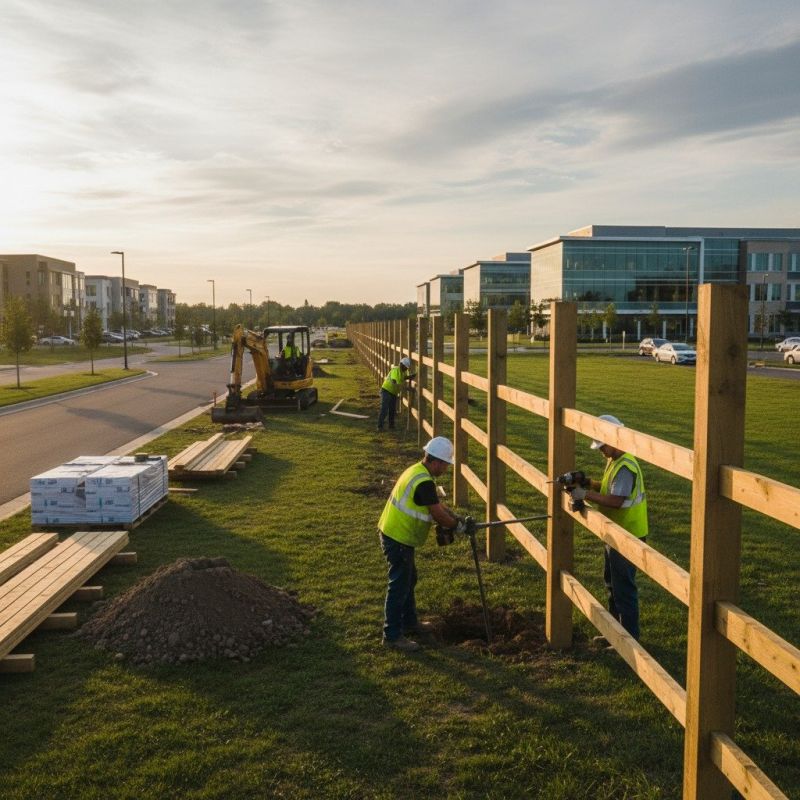
Rail fence installation is a common project for property owners looking to add privacy, define boundaries, or enhance the aesthetic appeal of outdoor spaces. This type of work typically involves selecting the appropriate materials, preparing the site, and constructing the fence according to specified dimensions and design preferences. Contractors may handle various aspects of the process, including post setting, rail attachment, and finishing touches to ensure the fence is sturdy and visually appealing. Clarifying the scope of work upfront helps ensure that all parties have a shared understanding of the project requirements and deliverables.
Defining the scope of a rail fence installation is essential for establishing clear expectations and avoiding misunderstandings. A detailed scope includes specifics such as the type of materials, fence height and length, design features, and any additional features like gates or decorative elements. Having these details in writing provides a reference point throughout the project and helps ensure that the work aligns with the property owner’s intentions. Clearly articulated scope also enables property owners to verify that the chosen contractor has the relevant experience and resources to complete the project to the desired standards.
Property owners can compare local contractors by reviewing their experience with similar fencing projects, checking references or portfolios of completed work, and assessing their understanding of scope and project planning. It’s beneficial to ask potential service providers about their process for handling scope changes or unexpected issues that may arise during installation. Additionally, verifying how each contractor communicates project details and manages expectations in writing can help ensure transparency and accountability. Taking these steps allows property owners to select a contractor whose approach aligns with their project goals and ensures a smooth, well-managed installation process.
Compare local contractors by outlining project priorities, verifying experience, and setting clear expectations in writing.
- Compare Contractor Experience - Review the backgrounds and project histories of local contractors to assess their expertise in rail fence installation.
- Define Project Scope Clearly - Communicate specific requirements and expectations to ensure contractors understand the work to be performed.
- Verify Credentials and References - Check references and previous work to confirm the quality and reliability of service providers.
- Document Agreements in Writing - Establish detailed written agreements covering scope, materials, and responsibilities to set clear expectations.
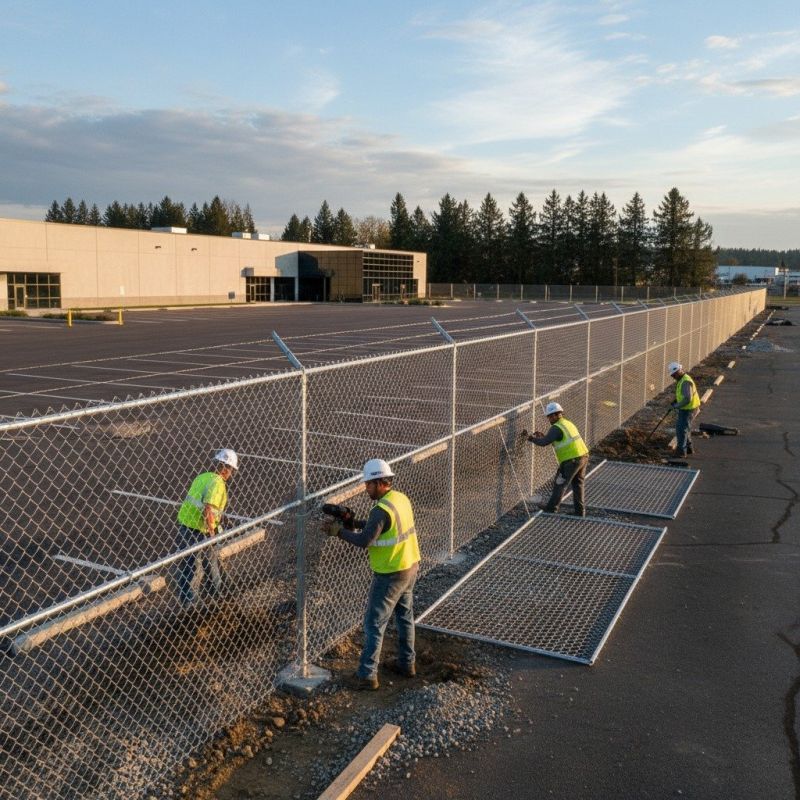
Before comparing contractors for rail fence installation, clearly describe your project scope and verify their experience in writing.
- Verify experience and references of local contractors specializing in rail fence installation. - Ensure contractors have a proven track record with similar fencing projects in your area.
- Define the scope of work clearly in writing, including materials, design, and installation details. - Clear documentation helps prevent misunderstandings and sets accurate project expectations.
- Compare multiple service providers to assess their expertise, communication, and professionalism. - Gathering information from different local contractors allows for better decision-making.
- Check that contractors understand local building codes and regulations related to fence installation. - Compliance with local standards ensures the project meets legal requirements.
- Request detailed written estimates that outline materials, labor, and any additional costs. - Transparent estimates facilitate comparison and help avoid unexpected charges.
- Discuss project timelines and completion expectations upfront to ensure alignment with your goals. - Clear communication about timing helps set realistic expectations for the project’s progress.
Use this to compare local contractors, clarify scope, verify experience, and set clear expectations.

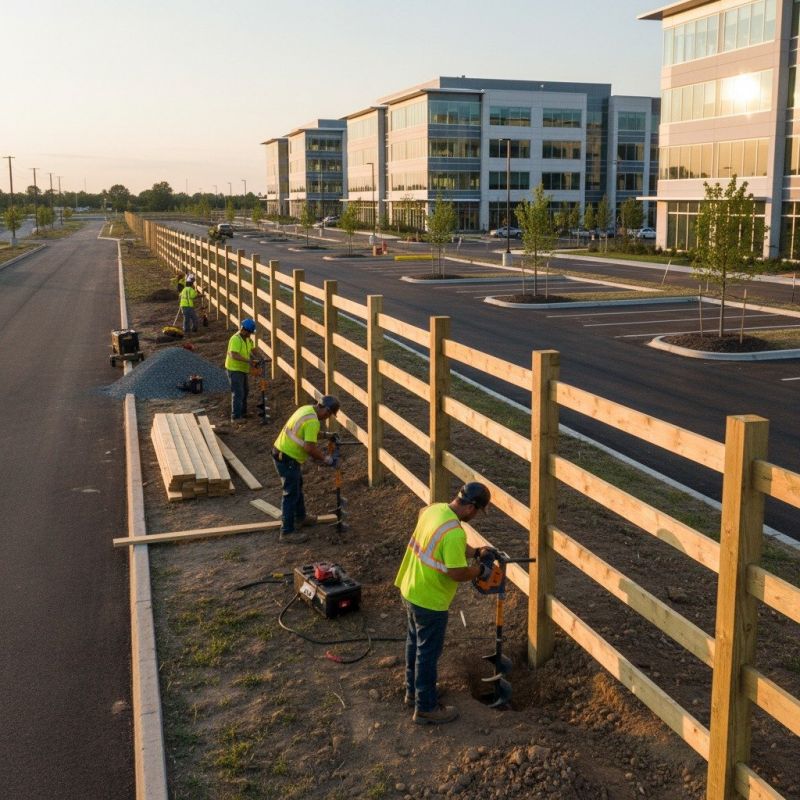
Learn how to compare local contractors, define project scope, verify experience, and set clear expectations in writing.
- Scope Definition - Clearly outline the specific tasks and materials involved in the rail fence installation.
- Experience Verification - Confirm that local contractors have relevant experience with rail fence projects similar in scope.
- Material Selection - Specify the types of materials to be used and ensure they meet project requirements.
- Design and Style - Define the preferred design, height, and style of the rail fence to ensure alignment with expectations.
- Written Agreement - Obtain a detailed scope of work in writing to establish clear expectations and responsibilities.
When comparing contractors for rail fence installation, it is important to evaluate their experience with similar projects. Homeowners should inquire about the types of fencing projects they have completed, specifically focusing on rail fences, to ensure familiarity with the materials, design considerations, and installation techniques involved. Contractors with a history of working on comparable projects are more likely to understand the nuances of rail fence construction and can provide insights into best practices that contribute to a durable and visually appealing result.
A clear and detailed written scope of work is essential when assessing different service providers. This document should outline specific tasks, materials to be used, and the overall expectations for the project. A well-defined scope helps prevent misunderstandings and ensures that both parties are aligned on the work to be performed. Homeowners should look for contractors who can provide comprehensive written descriptions of the project, including any preparatory work, post-installation cleanup, and warranty considerations, to facilitate transparent communication and set realistic expectations.
Verification of a contractor’s experience can be supported by requesting references or examples of completed rail fence projects. While formal credentials are not the focus, obtaining feedback from previous clients or viewing portfolios can help gauge the quality of work and reliability. Homeowners should also verify that the contractor understands local building codes and regulations applicable to fencing projects, which can influence the installation process and long-term durability. Confirming these basics helps ensure that the chosen service provider has a proven track record with similar projects.
Evaluating options without focusing on prices involves examining the scope of work, experience, and communication style of each contractor. Homeowners should compare how thoroughly each service provider explains their process, the level of detail in their proposals, and their responsiveness to questions. It is also helpful to consider how well the contractor’s approach aligns with the homeowner’s preferences and the specific requirements of the site. By focusing on these aspects, homeowners can make informed decisions based on quality, expertise, and clarity, leading to a more successful fencing project.
Ask contractors to provide written scope details to ensure clear expectations and consistent project understanding.
- **Experience and Expertise** - What specific experience do local contractors have with rail fence installation?
- **Scope of Work** - How do contractors define and clarify the scope of the rail fence project?
- **Materials and Techniques** - Which materials and construction methods do service providers recommend for durability and style?
- **Project Expectations** - How do local contractors outline project deliverables and set clear expectations in writing?
- **Comparison Criteria** - What factors should be used to compare and evaluate different service providers’ qualifications and approaches?
How can I compare contractors for rail fence installation? It's helpful to review their experience, ask for references, and verify their familiarity with similar projects to ensure they meet your needs.
What should I consider when defining the scope of my rail fence project? Clearly outline the fence size, materials, design preferences, and any additional features to communicate your expectations effectively.
How do I verify a contractor’s experience with rail fence installation? Request examples of past work, inquire about their previous projects, and check if they have relevant knowledge of different fencing styles and materials.
Why is it important to have the project scope in writing? Having a detailed written scope helps prevent misunderstandings, sets clear expectations, and provides a reference for project completion criteria.
What questions should I ask contractors before hiring? Ask about their experience, the materials they recommend, their process for installation, and how they handle potential issues during the project.
How can I ensure the contractor understands my fencing needs? Communicate your preferences clearly, provide any necessary diagrams or references, and confirm that they acknowledge and agree to the project scope in writing.
This page has outlined key steps to help compare and evaluate contractors for rail fence installation. Visitors learned how to define the scope of work, verify experience, and set clear expectations in writing to support an informed decision-making process. Using the quote form allows for easy comparison of different service providers in the area, ensuring choices are based on relevant factors and preferences.
Encouragement to utilize the quote form emphasizes the importance of exploring multiple options among local contractors. Taking the time to compare offerings can help identify the best fit for specific project needs, making it easier to connect with experienced service providers who can handle the job effectively.